Concrete Patio vs. Pavers: Which Is Better for Your Lehigh Valley Home?
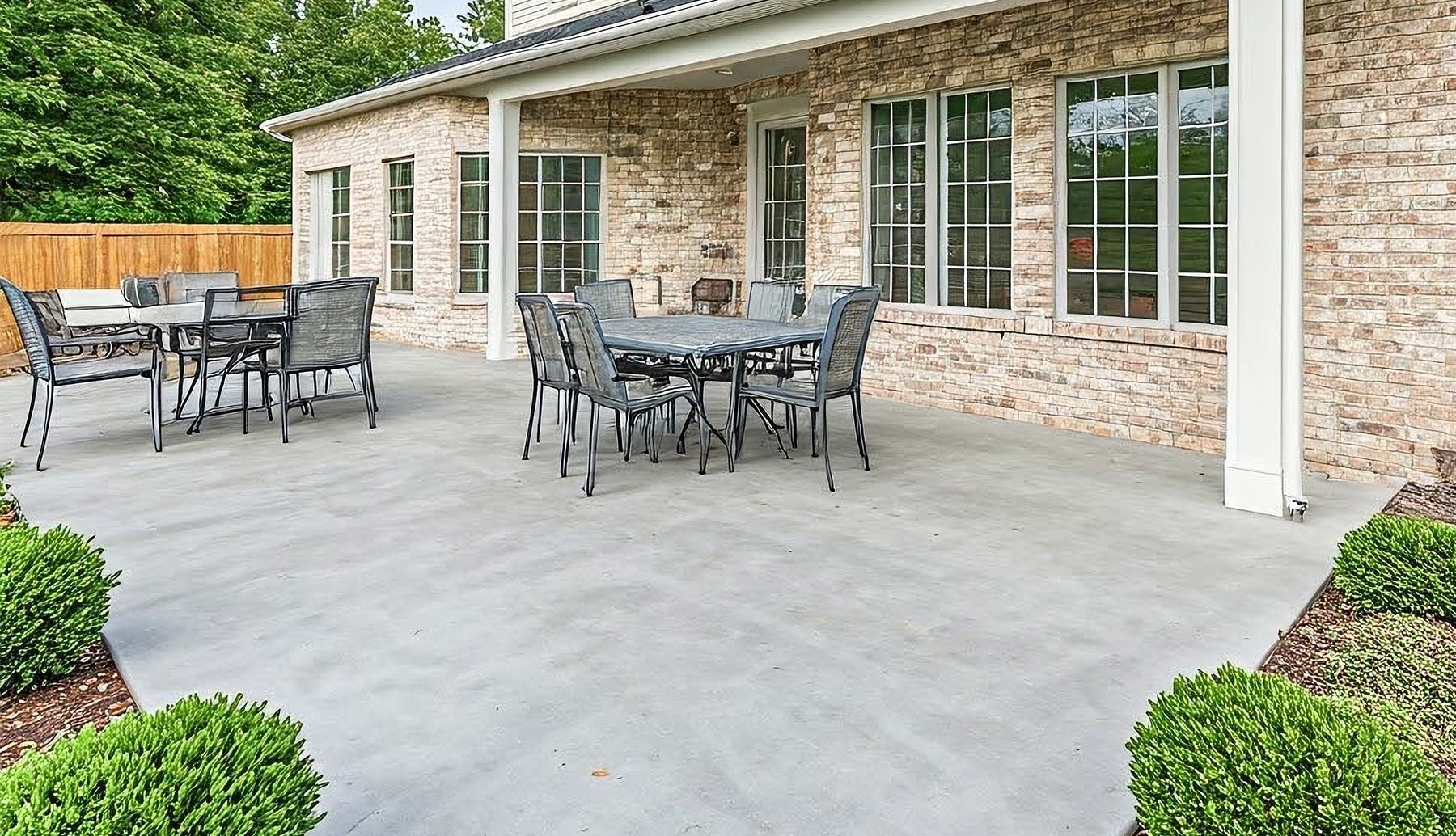
A new patio can turn an underused stretch of yard into the place where everyone wants to gather. It can hold the grill, give the kids a clean place to play, and make casual dinners outside much easier. Before any of that happens, though, there is one big choice to make: concrete or pavers?
Both materials can create an attractive, useful patio. The better fit depends on how you want the space to look, how much maintenance you want to handle, and what makes sense for your property. In the Lehigh Valley, it is also important to think about drainage, soil conditions, and seasonal temperature changes. Here is a practical way to compare the options before you commit.
Start With the Main Difference
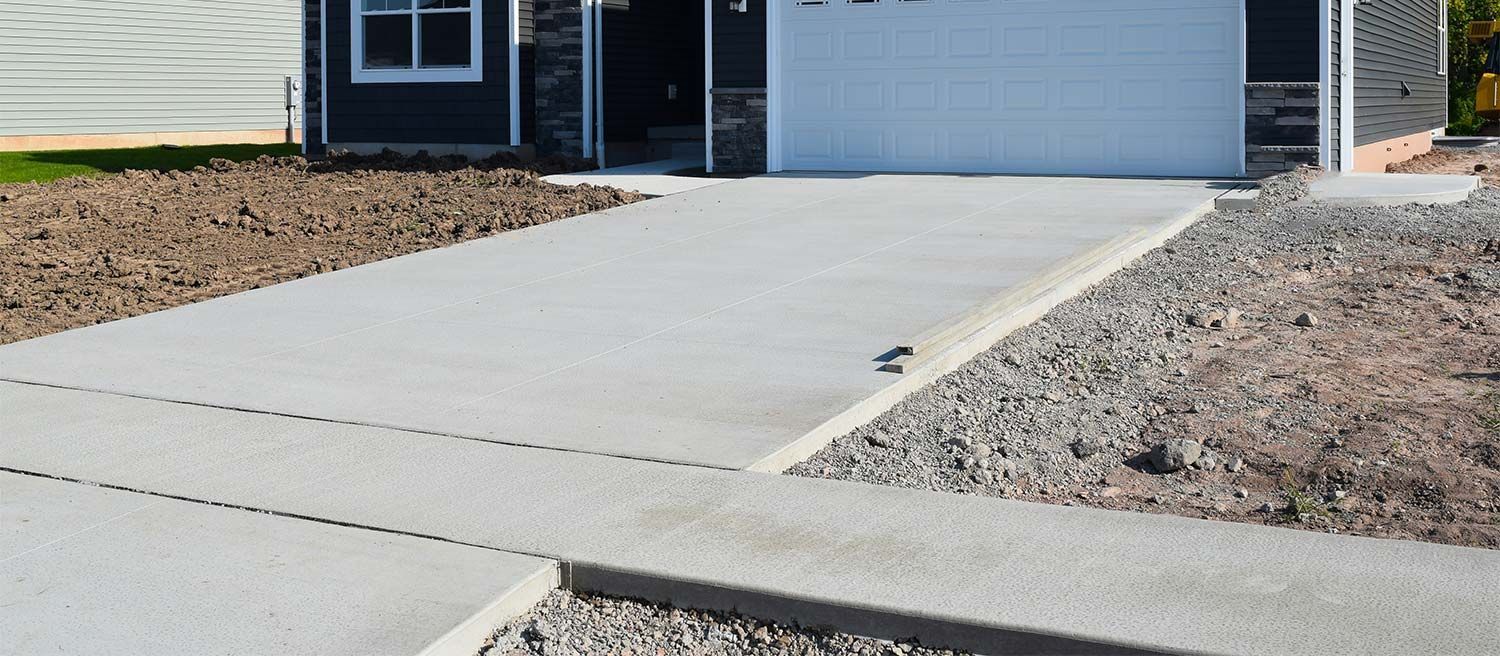
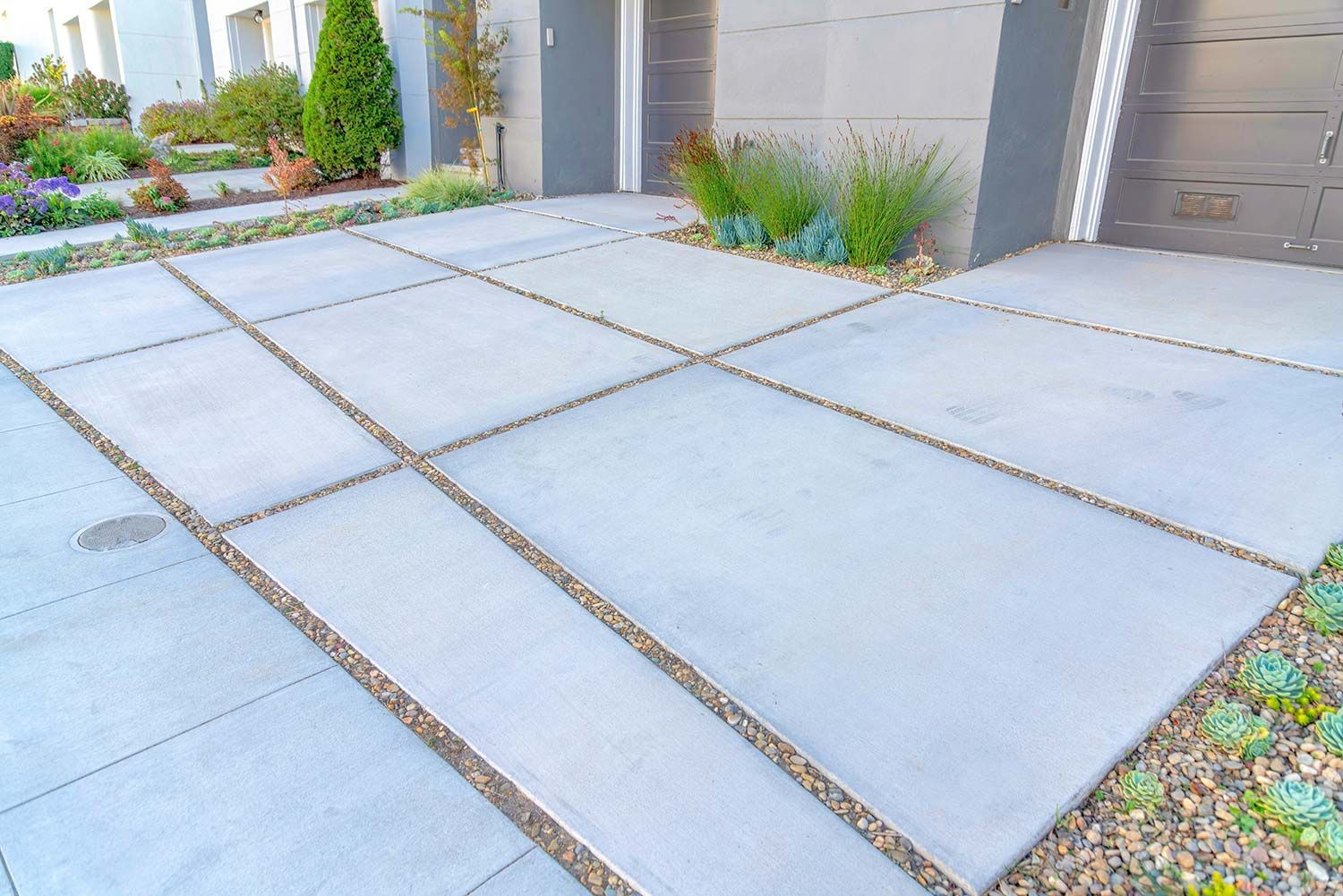
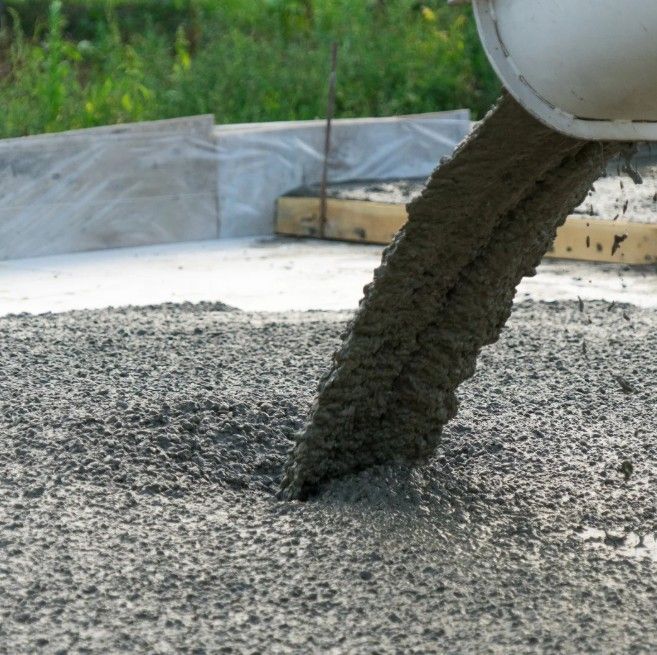
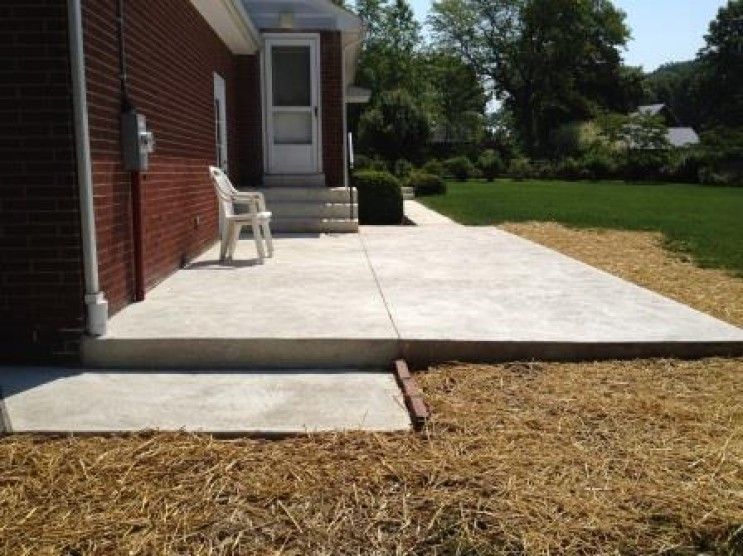
A concrete patio is poured as a slab and finished on site. It can have a traditional broom finish or a decorative look using color, texture, or stamped patterns. Pavers are individual pieces set over a prepared base. They are available in many shapes and colors and can be arranged in different patterns.
That basic construction difference affects nearly everything else, from installation and upkeep to the way repairs are made. Professionally installed concrete patios create a continuous surface, while pavers have joints throughout the patio.
Compare the Upfront Cost
For many homeowners, standard poured concrete is the more budget-friendly option at installation. The exact price depends on the size of the patio, access to the yard, site preparation, thickness, finish, and design details. Stamped or colored concrete costs more than a basic slab, but it can provide the look of stone or brick without installing hundreds of separate pieces.
Pavers often require more labor because every unit must be placed and fitted. The base also needs careful preparation, edge restraint, bedding material, and joint sand. Complex patterns and premium materials can raise the total quickly.
The fairest comparison is not a generic price per square foot. It is a written estimate based on the actual yard. A tight access point, a steep grade, or an old patio that needs removal can change the scope for either material.
Think About Pennsylvania Weather
Lehigh Valley patios see hot sun, heavy rain, freezing temperatures, and repeated freeze-thaw cycles. Water that settles around or beneath a patio can cause trouble when temperatures drop. That is why the base and the direction of drainage matter just as much as the surface you see.
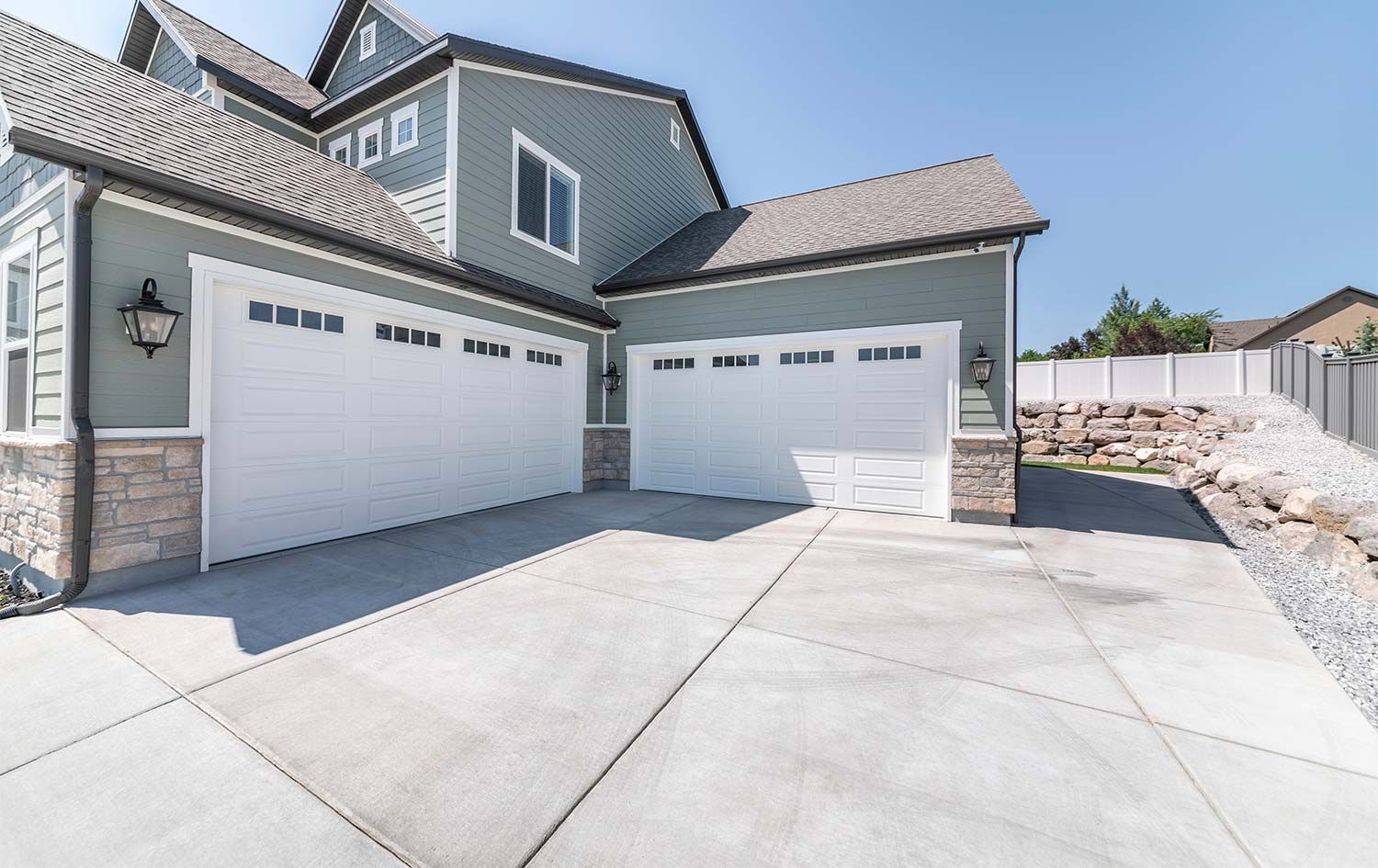
Concrete should be placed over a properly prepared base and planned with enough slope to move water away from the house. Control joints give normal movement a planned place to occur. Pavers also depend on a stable, well-compacted base. If that base settles or washes out, individual units can shift or become uneven.
Neither choice makes poor groundwork disappear. If the yard has drainage concerns or noticeable elevation changes, professional site grading and leveling may need to be part of the plan before the patio surface is installed.
Decide How Much Maintenance You Want
Concrete is popular with homeowners who want a patio that is easy to live with. Routine care generally means sweeping away debris, washing the surface as needed, keeping an eye on joints and small cracks, and following the contractor’s guidance about sealing. There are no sand-filled joints where weeds can take hold across the entire surface.
Pavers are also durable, but their joints may need more attention. Weeds or moss can appear between units, joint sand can wash away, and shifted pavers may need to be lifted and reset. Some homeowners do not mind that work because a damaged individual paver can be replaced without removing a large section.
The right answer comes down to preference. If you enjoy maintaining a detailed hardscape and want the flexibility of individual pieces, pavers may suit you. If you would rather have a broad, continuous surface with straightforward upkeep, concrete often has the edge.
Look at the Design Possibilities
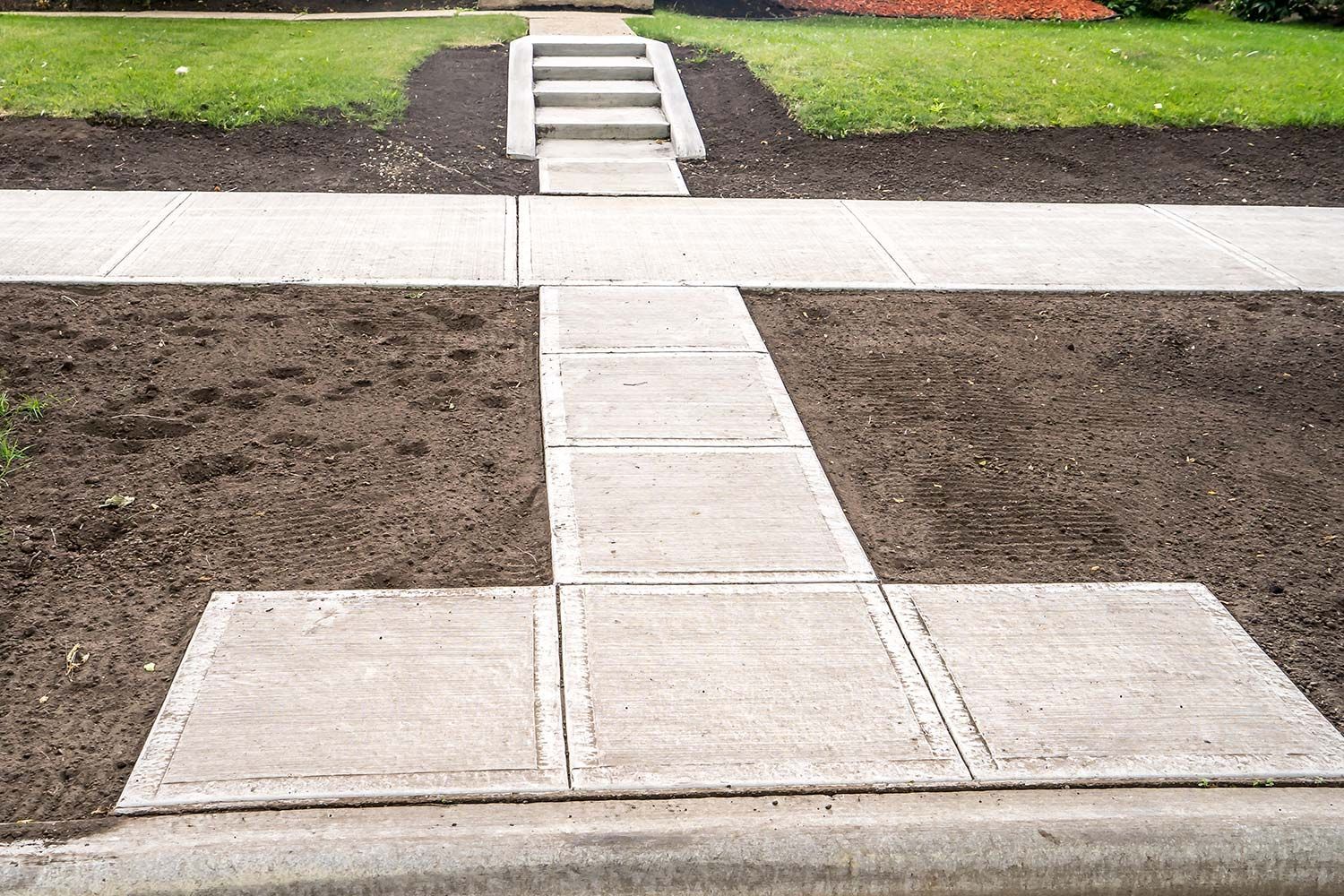
Pavers are known for variety, but concrete does not have to look plain. Decorative finishes can add color and texture, while stamped concrete can resemble stone, slate, or brick. Borders, curved edges, and thoughtfully placed joints can make a concrete patio feel designed for the house rather than added as an afterthought.
Think about the full setting. The patio should work with the home’s exterior, walkways, steps, garden beds, and any nearby retaining wall. If the project includes brick, block, stone, or wall repairs, coordinating the patio with
professional masonry services can help the finished area feel connected.
It also helps to decide how the patio will be furnished before choosing the layout. A dining table, grill, fire feature, or sectional needs more room than it appears to need on paper. Traffic paths should stay open, and doors should have enough clearance to operate comfortably.
Consider Repairs and Long-Term Use
All outdoor surfaces age. A concrete patio may eventually develop a crack, stain, or worn area. Small issues are sometimes repairable, while widespread movement or major settlement may call for replacement. With pavers, individual pieces can be removed and reset, but recurring movement often points to a problem in the base or drainage that still needs to be corrected.
How the patio will be used matters too. A family gathering space has different demands than a small landing outside a back door. Tell the contractor about heavy grills, hot tubs, outdoor kitchens, or other equipment early in the conversation. Those details may affect the base, slab design, dimensions, or placement.
Do Not Skip Site Preparation
The finished surface gets the attention, but preparation is what helps a patio perform well. Before installation, a contractor should look at access, existing grades, soil conditions, water movement, and the relationship between the proposed patio and the home’s foundation.
A low price can become expensive if it leaves out excavation, removal, base preparation, or drainage work. Ask what is included and how the contractor plans to manage water. A local concrete contractor in the Lehigh Valley will be familiar with the area’s weather and common site conditions.
So, Which Patio Is Better?
Choose concrete if you want a durable, continuous surface, broad design flexibility, and relatively simple maintenance. Choose pavers if individual-unit repairs and a highly segmented pattern are top priorities and you are comfortable maintaining the joints.
For many Lehigh Valley homeowners, poured concrete offers a strong balance of cost, appearance, and day-to-day convenience. The final decision should still be based on your yard, your budget, and how you expect to use the space.
Lifetime Concrete builds custom patios for homes throughout
Allentown, Bethlehem, Easton, Danielsville,
Saucon Valley, and the surrounding Lehigh Valley. To talk through the layout, finish, site preparation, and budget for your project, request a free estimate today.